
Choosing THCA flower becomes more rewarding when buyers understand how strain characteristics and cultivation methods shape the final product. Each flower can offer a distinct combination of appearance, aroma, terpene expression, texture, and cannabinoid profile. Looking at these qualities together makes it easier to identify options that match individual preferences. A thoughtful selection process also encourages greater appreciation for the care involved in producing well-developed flower.
Understanding Strain Characteristics
Strain selection provides a useful starting point because different genetics can naturally produce different characteristics.
- Aroma: Terpene composition can contribute floral, fruity, earthy, citrus, or herbal aromatic notes.
- Flavor profile: The combination of cannabinoids and terpenes can create a distinctive tasting experience.
- Visual appeal: Healthy, well-developed flowers can display attractive coloration, dense structures, and noticeable trichome coverage.
- Texture: Properly cultivated and handled flower can provide a pleasant balance between firmness and freshness.
- Cannabinoid profile: Reviewing available laboratory information can help buyers understand the reported THCA and cannabinoid content.
When exploring options, readers can view full guide information to better understand how strain characteristics influence selection.
Cultivation Adds Another Layer
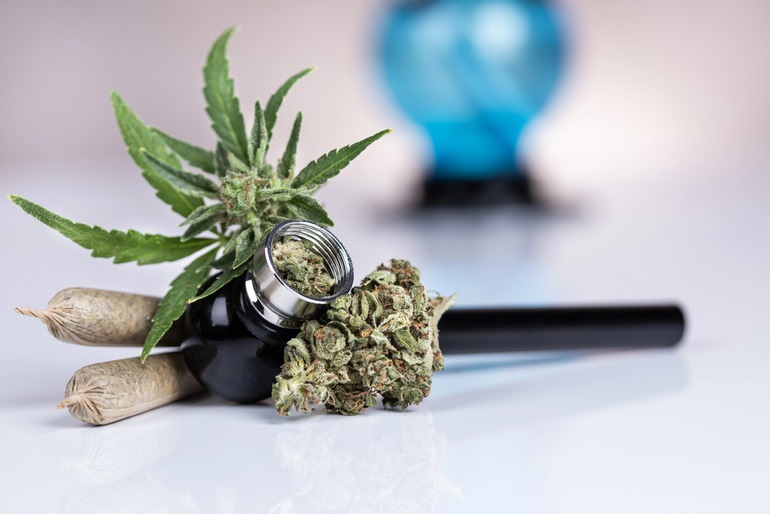
Growing conditions play an important role in shaping how a strain develops. Cultivation methods can influence plant growth, flower structure, terpene expression, and overall presentation. Indoor cultivation can provide carefully managed environmental conditions, allowing growers to maintain consistent factors such as lighting, temperature, humidity, and airflow. This controlled approach can support uniform development and detailed attention throughout the growing cycle.
Greenhouse cultivation combines natural environmental influences with additional control. This method can encourage strong plant development while allowing growers to carefully monitor important growing conditions. Outdoor cultivation can provide plants with natural sunlight and seasonal environmental influences. When managed carefully, it can contribute to distinctive flower characteristics and strong visual appeal.
Compare Key Quality Indicators
A balanced selection process can focus on several useful details:
- Check the stated cannabinoid information.
- Review terpene details when available.
- Examine flower appearance and trichome development.
- Consider aroma and texture preferences.
- Learn about the cultivation method.
- Look for clear laboratory testing information.
- Compare freshness and storage practices.
- Consider whether the strain profile matches personal preferences.
Why Cultivation And Strain Work Together
Strain genetics establish a foundation, while cultivation practices help bring those characteristics forward. Two flowers with related genetic backgrounds may still display noticeable differences when grown under different environmental conditions. Careful cultivation can support attractive flower development, preserve desirable aromatic qualities, and encourage consistent presentation. Harvest timing, drying, curing, and storage also contribute to how the finished flower looks, smells, and feels.
Making A Confident Selection
THCA flower selection becomes simpler when buyers consider both strain and cultivation rather than relying on one feature alone. Comparing cannabinoid information, terpene characteristics, appearance, cultivation methods, and handling practices creates a more complete picture of each option. By paying attention to these details, buyers can explore a broader range of flower characteristics and choose products that align with their preferences. Understanding the relationship between genetics and cultivation ultimately makes the selection process more informed, engaging, and enjoyable.