Enhancing the speed of your Waverunner can greatly improve your overall experience on the water. However, it is essential to pursue these enhancements thoughtfully and safely to avoid potential risks. The first step in increasing speed is ensuring your watercraft is well-maintained. Regular maintenance, including checking the oil, fuel filters, and spark plugs, ensures your Waverunner operates at peak efficiency. A clean and well-tuned engine is fundamental for optimal performance. Another effective method to boost speed is to reduce weight. Every ounce count when it comes to maximizing speed on the water. Remove any unnecessary items from your Waverunner, such as extra gear, heavy anchors, or outdated equipment. This reduction in weight allows your machine to glide more easily across the water’s surface, improving speed and fuel efficiency. Aerodynamics also plays a crucial role in speed enhancement.

Consider adjusting or replacing the windshield, as a lower profile can reduce wind resistance. Additionally, ensure that your ride plate and intake grate are in good condition. These components should be free of any debris that might hinder performance. A clean intake will allow for better water flow, enhancing the engine’s power and speed. Upgrading your propeller can be another way to achieve greater speeds. A high-performance propeller can significantly improve acceleration and top speed by providing better thrust. However, be mindful that changing the propeller may affect handling, so it is important to choose one that complements your riding style. Another critical factor to consider is the water conditions. Smooth, calm waters are ideal for achieving maximum speed. Avoid choppy waters or heavy traffic areas, as these conditions can hinder performance and increase the risk of accidents. When possible, seek out open water where you can safely push your hiseadock to its limits.

It is also advisable to consider performance-enhancing modifications, such as exhaust upgrades or engine tuning, when thinking about what is a wave runner. These modifications can provide noticeable improvements in speed and acceleration. However, it is vital to conduct thorough research and consult with experts before making any modifications, as improper changes can lead to mechanical issues or safety risks. Lastly, always prioritize safety while pursuing speed. Invest in quality safety gear, including a life jacket and appropriate footwear. Ensure that you are familiar with your Waverunner’s handling characteristics, especially at higher speeds. It is wise to practice in a controlled environment before venturing into open waters at maximum speed. By combining careful maintenance, weight reduction, aerodynamic adjustments, and thoughtful modifications, you can enhance the speed of your Waverunner effectively and safely. Always remember that the thrill of speed should never come at the expense of safety.
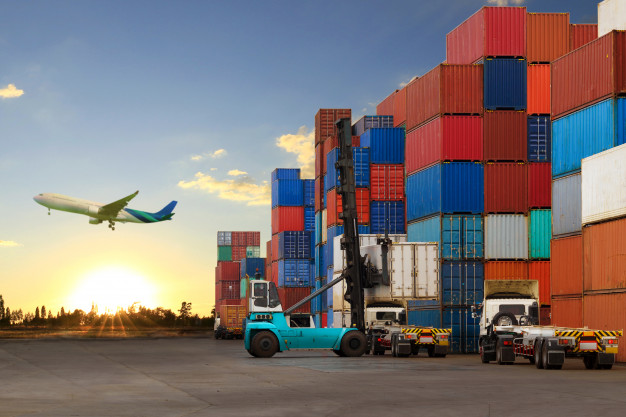
In the wood industry, efficient transport solutions are crucial for ensuring a smooth supply chain, from raw material procurement to final product delivery. As environmental concerns and operational costs grow, companies are increasingly seeking optimized transport strategies to enhance productivity and sustainability. This optimization encompasses various facets, including logistics planning, vehicle selection, and route management, all aimed at minimizing costs while maximizing efficiency. One of the key elements in optimizing transport solutions is the strategic planning of logistics. This involves analyzing the entire supply chain to identify bottlenecks and inefficiencies. Companies can employ advanced software tools that utilize data analytics and machine learning to predict demand and optimize inventory levels. By accurately forecasting the volume of wood required at various stages, businesses can adjust their transport schedules, reducing unnecessary trips and associated costs. Additionally, this planning allows companies to implement just-in-time delivery systems, ensuring that materials arrive precisely when needed, which further minimizes storage costs and reduces the risk of inventory obsolescence.

forest products cargo

Vehicle selection plays a pivotal role in transport optimization within the wood industry. Companies are increasingly turning to specialized vehicles designed for transporting heavy and bulky loads, such as logs and timber. These vehicles not only enhance safety but also improve fuel efficiency. Innovations in transportation technology, such as electric and hybrid vehicles, are gaining traction, driven by the need to reduce carbon emissions. By investing in eco-friendly transport options, companies can significantly lower their environmental impact while also appealing to a growing segment of environmentally conscious consumers. Route management is another critical aspect of transport optimization. Implementing GPS tracking and route optimization software enables companies to determine the most efficient paths for their transport vehicles. This not only saves time but also reduces fuel consumption and wear and tear on vehicles. Advanced algorithms can analyze traffic patterns, weather conditions, and road closures to identify the best routes in real-time, further enhancing efficiency. By minimizing delays, businesses can ensure timely deliveries, improving customer satisfaction and strengthening relationships with clients.

Collaboration within the industry can also lead to enhanced forest products cargo solutions. Companies can partner with logistics providers or other businesses in the wood supply chain to share resources, reduce transportation costs, and streamline operations. This collaborative approach can help companies achieve economies of scale, making transport more efficient and cost-effective. Finally, the integration of technology into transport processes cannot be overstated. Utilizing Internet of Things (IoT) devices for real-time tracking of shipments allows companies to monitor conditions during transport, ensuring the quality of wood products is maintained. Additionally, leveraging blockchain technology can enhance transparency in the supply chain, facilitating better communication and trust among stakeholders. In conclusion, optimized transport solutions in the wood industry are essential for enhancing efficiency, reducing costs, and promoting sustainability. By focusing on logistics planning, vehicle selection, route management, collaboration, and technology integration, companies can create a more effective and eco-friendly transportation system that meets the evolving demands of the market while supporting their operational goals.

Pneumatic systems, widely used in various industrial applications, harness compressed air to perform work. While they offer advantages such as efficiency and simplicity, their environmental impact warrants careful assessment. One significant concern is energy consumption. Compressing air requires substantial energy, often derived from fossil fuels, contributing to greenhouse gas emissions. The efficiency of the pneumatic system directly influences the amount of energy consumed; poorly designed or maintained systems can lead to significant air leaks, further exacerbating energy waste. Thus, optimizing the design and maintenance of these systems is crucial in reducing their carbon footprint and promoting sustainability. Assessing the environmental impact of pneumatic systems involves evaluating their energy consumption, emissions, and potential resource waste. Pneumatic systems, while efficient in many applications, can contribute to energy inefficiencies, especially due to air leaks, which increase operational costs and carbon footprints.

Another aspect to consider is the lifecycle impact of air cylinder manufacturer components and systems. The production, operation, and eventual disposal of pneumatic equipment can generate waste and emissions. Materials used in the manufacture of valves, actuators, and tubing often have their own environmental costs, from resource extraction to processing. Additionally, the disposal of these components can lead to pollution if not managed properly. Implementing recycling programs and using more sustainable materials can help mitigate these effects. Furthermore, evaluating the environmental impact of pneumatic systems throughout their lifecycle can lead to more informed decisions regarding system design and component selection. Regular monitoring and maintenance are essential to mitigate these issues. Additionally, the materials used in pneumatic components can impact sustainability; choosing eco-friendly and recyclable materials can reduce the overall environmental footprint.

Finally, the effects on local environments should also be taken into account. Pneumatic systems often rely on air compressors that generate noise pollution, potentially affecting nearby communities and wildlife. Noise pollution can disrupt ecosystems and human well-being, leading to health issues and decreased quality of life. By adopting quieter technologies and better site planning, industries can minimize this impact. Ultimately, assessing the environmental impact of sklep z pneumatyką systems requires a comprehensive approach that considers energy use, material lifecycle, and local ecological effects. By delving into these factors, industries can identify areas for improvement, leading to more sustainable practices that benefit both the environment and operational efficiency. Implementing energy-efficient practices, such as optimizing compressor use and integrating smart technologies for real-time monitoring, further enhances sustainability. By prioritizing these assessments, organizations can minimize the environmental impact of pneumatic systems and contribute to broader sustainability goals.

In the ever-evolving landscape of modern manufacturing, the integration of precision and power has become paramount for ensuring optimal efficiency and productivity. Among the innovations that epitomize this trend are crane kits designed specifically to meet the rigorous demands of contemporary industrial applications. These kits, which come equipped with a variety of components and configurations, offer manufacturers a tailored approach to lifting and transporting heavy loads. The remarkable versatility of crane kits allows for customization, enabling them to seamlessly adapt to the unique requirements of different work environments, whether in factories, warehouses, or construction sites. One of the key advantages of crane kits is their ability to provide precise control over lifting operations. Advanced technologies, including electronic hoists and smart controls, have transformed the way cranes operate. With these systems, operators can execute delicate maneuvers with a level of accuracy that was previously unattainable. This precision minimizes the risk of accidents and damage to materials, contributing to a safer work environment. Moreover, the integration of sensors and automated systems allows for real-time monitoring and adjustments, ensuring that loads are handled efficiently and securely.

In addition to precision, the power capabilities of modern crane kits are noteworthy. Engineered to handle substantial weights, these kits often incorporate robust materials and cutting-edge engineering techniques that enhance their lifting capacity. Whether it is moving heavy machinery or transporting large construction materials, the power provided by these cranes ensures that even the most demanding tasks can be completed with ease. The durability and strength of the components not only extend the lifespan of the cranes but also reduce maintenance costs over time, making them a wise investment for any manufacturing operation. The trend toward modular crane kits has also emerged as a significant development in the manufacturing sector. These modular systems allow for easy assembly, disassembly, and reconfiguration, making them ideal for dynamic work environments where operational needs may change frequently. This adaptability means that businesses can optimize their workflows without the need for extensive downtime or investment in new equipment. As a result, manufacturers can respond more rapidly to market demands and changes in production requirements, thus enhancing their competitiveness in a fast-paced economy.

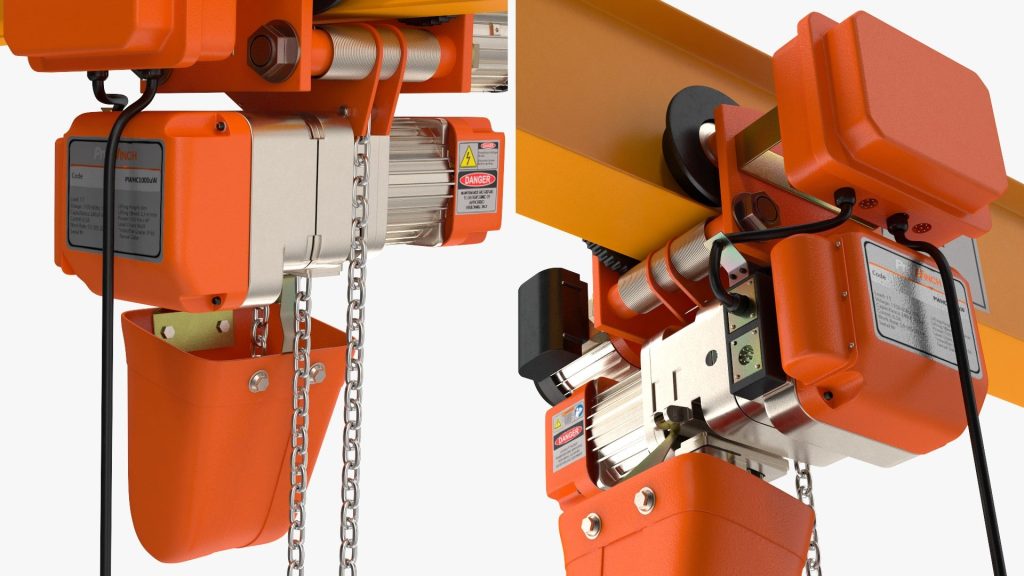
Furthermore, the manufacturing revolution driven by crane kits reflects a broader commitment to sustainability and efficiency. Many modern crane systems are designed with energy-efficient technologies, reducing their environmental impact while maintaining high performance. By utilizing electric or hybrid power systems, manufacturers can significantly lower their energy consumption, contributing to greener operations and compliance with increasingly stringent environmental regulations. In conclusion, crane kits designed for precision and power represent a critical advancement in the manufacturing sector. By providing customizable solutions that enhance lifting accuracy and capacity, these polipasto eléctrico kits empower businesses to operate more efficiently while prioritizing safety and sustainability. As industries continue to embrace innovation, the role of crane kits will undoubtedly grow, driving the manufacturing revolution forward and setting new standards for excellence in lifting operations

In today’s fast-paced, ever-evolving industries, businesses are constantly seeking innovative ways to improve efficiency, safety, and productivity. One such innovation that has revolutionized various sectors is the cherry picker. These versatile machines, also known as aerial work platforms AWPs, elevate workers, tools, and materials to otherwise inaccessible heights, making them indispensable across multiple industries. From construction and maintenance to warehousing and even film production, cherry pickers are providing safe and efficient solutions for a range of challenges.

Versatility across Industries

roof cleaning Cherry pickers are designed to cater to a wide variety of needs across diverse sectors. In construction, they enable workers to reach high places without the need for scaffolding or ladders, making tasks such as roofing, window installation, and painting much safer and faster. The ease of movement and height adjustment allows construction crews to work with greater precision, reducing the time spent on projects and minimizing the risk of accidents. In the maintenance industry, cherry pickers are vital for tasks like cleaning windows on tall buildings, repairing streetlights, and Rent cherry pickers in Warrington trimming trees. These machines provide workers with a stable platform to perform their duties at heights, ensuring their safety and improving job efficiency. As they can be moved and adjusted easily, they are also perfect for tasks that require frequent relocation within a single job site.

Warehousing and logistics have also greatly benefited from cherry picker technology. Many facilities use these platforms to access goods stored at higher levels, improving the organization and retrieval process. This is especially important in large distribution centers, where maximizing vertical storage space is crucial for efficiency. Cherry pickers ensure that goods are retrieved and restocked quickly and safely, keeping supply chains running smoothly. Another surprising industry benefiting from cherry pickers is film production. Directors and cinematographers use them to capture elevated shots that would otherwise require complex rigging systems or drones. The stability and height control of cherry pickers allow for the precise execution of creative vision, enhancing the quality of footage without compromising safety.

Safety and Efficiency at the Forefront

One of the primary advantages of cherry pickers is their contribution to worker safety. With robust safety features such as guardrails, harness points, and stabilizers, these machines significantly reduce the risk of falls, a leading cause of injury in many industries. Additionally, their ability to provide workers with a secure platform at height eliminates the need for precarious ladders or scaffolding, further mitigating potential hazards. Beyond safety, cherry pickers also boost productivity. Their mobility and height adjustability make it easy to navigate complex environments, allowing workers to complete tasks more efficiently. Projects that once took hours or even days can now be completed in a fraction of the time, saving both time and labor costs.