
Safe system operations depend on consistent standards, carefully designed components, and reliable inspection practices. Valve regulations establish essential guidelines that help maintain operational stability, improve equipment compatibility, and support dependable fluid control. Understanding these requirements through resources such as https://www.vincervalve.com/valve-standards-guide/ helps professionals recognize important safety considerations and make informed decisions when selecting, installing, and maintaining valves. Following established regulatory practices also encourages quality, efficiency, and long-term equipment performance.
Understanding the Importance of Valve Regulations
Valve regulations provide a structured approach to maintaining safe and consistent operations across different industrial applications. They address essential performance requirements and help ensure that equipment functions according to defined technical expectations.
Important areas covered by valve regulations include:
- Pressure Management: Establishing suitable pressure ratings helps valves operate safely under specified working conditions.
- Material Selection: Guidelines support the selection of materials that offer suitable strength, durability, and compatibility.
- Temperature Resistance: Defined operating limits help maintain dependable functionality across different temperature conditions.
- Leakage Prevention: Performance requirements encourage effective sealing and controlled fluid movement.
- Structural Integrity: Manufacturing guidelines promote reliable construction and consistent component quality.
Key Regulatory Areas Supporting Operational Safety
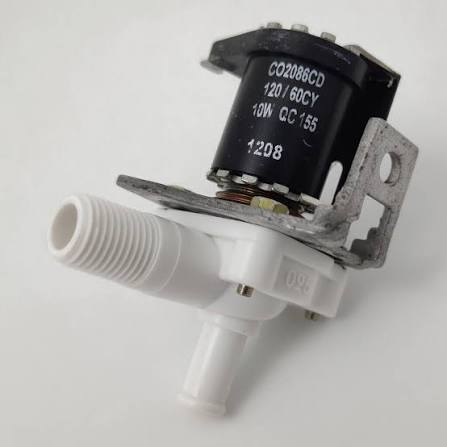
Several regulatory considerations contribute to dependable valve performance. Understanding these areas helps maintenance teams and equipment planners establish suitable operating practices.
- Design Requirements: Standardized design specifications encourage dimensional accuracy, dependable construction, and consistent functionality.
- Testing Procedures: Pressure, leakage, and performance testing help verify that valves meet their intended operating requirements.
- Installation Guidelines: Correct installation practices support secure connections, proper alignment, and efficient system integration.
- Inspection Schedules: Regular inspections help identify maintenance needs and preserve equipment condition.
- Documentation Standards: Accurate technical records simplify equipment identification, maintenance planning, and compliance verification.
Manufacturing and Quality Control Practices
Consistent manufacturing processes play an important role in meeting regulatory expectations. Quality control procedures help maintain uniform production standards while supporting dependable equipment operation.
Effective practices include:
- Checking raw materials before beginning production.
- Maintaining accurate component dimensions throughout manufacturing.
- Performing appropriate pressure and leakage assessments.
- Reviewing sealing surfaces for consistent contact.
- Monitoring assembly procedures for dimensional accuracy.
- Maintaining inspection records for future reference.
These measures encourage manufacturing consistency and help ensure that finished valves deliver dependable service under their specified operating conditions.
Installation, Maintenance, and Compliance
Regulatory compliance continues beyond manufacturing and requires attention throughout the equipment lifecycle. Proper installation and routine maintenance help preserve the performance characteristics established during production.
Useful operational practices include:
- Confirming valve pressure and temperature ratings before installation.
- Checking connection dimensions for accurate system integration.
- Following recommended operating procedures during commissioning.
- Keeping valve surfaces and surrounding connections clean.
- Reviewing sealing components during scheduled maintenance.
- Replacing worn components with suitable compatible parts.
A structured maintenance approach supports smooth operation, improves equipment reliability, and helps maintain alignment with applicable safety requirements.
Building a Stronger Safety Culture
Following valve regulations encourages responsible equipment management and supports continuous operational improvement. When teams understand applicable requirements, they can maintain consistent procedures and make better decisions throughout daily operations.
Organizations can strengthen their safety practices by:
- Providing regular training on valve handling and operation.
- Maintaining clear inspection and maintenance schedules.
- Reviewing technical specifications before equipment selection.
- Keeping updated compliance and testing documentation.
- Encouraging routine performance assessments.
These positive practices create a dependable foundation for equipment safety and operational efficiency.
Reliable valve performance comes from combining suitable engineering, consistent manufacturing, appropriate testing, and responsible maintenance. Understanding applicable regulations helps ensure that every component meets its intended operational requirements while supporting safe fluid management. Access to useful technical information, including https://www.vincervalve.com/fr/, can further support awareness of valve applications and engineering considerations. By maintaining strong quality practices and following relevant regulatory guidelines, industrial systems can achieve dependable functionality, improved process consistency, and sustainable long-term performance.