
Pneumatic control valves play an essential role in improving operational efficiency, maintaining consistent airflow, and supporting reliable performance across industrial environments. These components regulate compressed air movement and help machinery perform different functions with accuracy and consistency. Their versatile construction makes them valuable in automated production, material handling, packaging, and various manufacturing activities. Understanding their operating principles, functional advantages, and application areas helps industries make informed decisions when selecting suitable pneumatic control solutions.
Support Accurate Flow And Motion Control
Pneumatic control valves direct compressed air through selected passages to operate actuators and other equipment. They manage air supply and exhaust to produce controlled, repeatable movement.
Their control capabilities contribute to:
- Directional operation: Route compressed air to the required actuator chamber.
- Consistent movement: Support repeatable opening, closing, and positioning functions.
- Responsive operation: Enable equipment to react efficiently to control signals.
- Process coordination: Help synchronize multiple pneumatic functions within a production line.
- Flexible configurations: Accommodate different port arrangements and operating requirements.
Improve Efficiency Across Industrial Applications
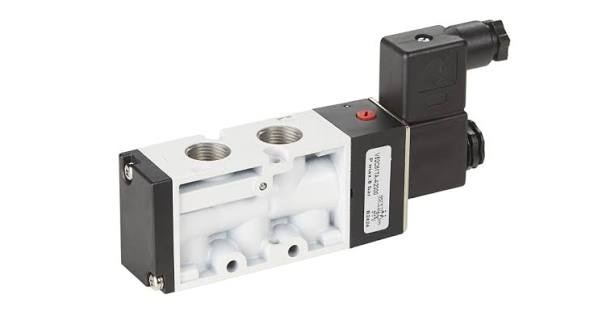
A suitable valve assembly supports tasks that depend on dependable movement, controlled flow, and coordinated automation.
Common applications include:
- Manufacturing systems: Operate cylinders, clamps, and machine components during production.
- Packaging equipment: Support sorting, filling, sealing, and product handling activities.
- Material handling: Assist lifting, gripping, and transferring operations.
- Process pipelines: Use pneumatic actuators to open, close, or position valves that regulate process media.
- Cleaning and processing systems: Help manage automated air-powered functions.
Understand Components And Operating Principles
A pneumatic arrangement combines a control device, air supply, and actuator. The valve switches the air path, while the actuator converts pressure into rotary or linear movement. For a clearer explanation of the operating sequence, explore https://www.vincervalve.com/pneumatic-valve-working-principle/.
Vincer Valve
Important elements include:
- Directional control valve: Changes the route of compressed air.
- Pneumatic actuator: Converts air energy into mechanical movement.
- Air preparation unit: Helps regulate and condition the air supply.
- Positioner: Supports accurate positioning in modulating applications.
- Feedback accessories: Provide useful information about valve position and operating status.
Select Designs That Match Operating Requirements
Selection involves reviewing equipment, operating conditions, and required control action to ensure dependable performance.
Useful selection considerations include:
- Operating pressure: Confirm that the available air supply suits the actuator.
- Flow capacity: Match valve capacity to the equipment’s air requirements.
- Actuator action: Determine whether spring-return or double-acting operation is appropriate.
- Environmental conditions: Consider temperature, moisture, and surrounding process conditions.
- Control needs: Identify whether the application requires on/off or modulating operation.
Strengthen Long-Term Operational Performance
Regular inspection helps pneumatic systems deliver dependable service. Checking air quality, connections, and operating response supports consistent performance.
Practical maintenance priorities include:
- Inspect connections: Check fittings and tubing for secure installation.
- Maintain air quality: Use suitable filtration and pressure regulation.
- Monitor response: Observe movement for smooth and consistent operation.
- Review accessories: Confirm that supporting components remain correctly adjusted.
- Follow service guidance: Apply maintenance intervals suited to operating conditions.
With suitable selection, correct installation, and attentive maintenance, pneumatic control valves can contribute to precise automation, productive workflows, and reliable industrial performance across diverse applications. Their adaptability also helps industries improve process consistency while supporting changing production demands.