
Maintaining healthy building conditions requires thoughtful planning, effective environmental protection, and consistent attention to indoor air quality. Vapor management plays an important role in creating comfortable spaces by controlling unwanted soil gases and moisture movement. Through carefully selected protection methods, property owners can support healthier indoor environments while preserving structural performance. A strategic approach combines preventive measures, reliable materials, and regular inspections to create buildings that remain comfortable, durable, and environmentally responsible over the long term.
Understanding the Value of Strategic Vapor Management
Vapor management involves identifying potential entry pathways and implementing suitable systems to control unwanted vapor movement. These measures help maintain balanced indoor conditions while supporting the overall quality of building environments.
Important advantages include:
- Healthier indoor environments: Effective vapor control measures help limit the entry of unwanted gases into occupied spaces.
- Improved air quality: Proper ventilation and protective barriers contribute to cleaner and more comfortable indoor surroundings.
- Structural preservation: Managing moisture and vapor movement helps protect foundations, flooring, and essential construction materials.
- Occupant comfort: Consistent environmental conditions support pleasant residential and commercial environments.
- Long-term property value: Preventive protection strategies encourage building durability and responsible property maintenance.
Implementing Effective Building Protection Measures
A successful vapor management strategy combines appropriate technology with carefully planned installation practices. Understanding building characteristics helps determine suitable solutions for different structural requirements.
Several practical measures contribute to effective protection:
- Vapor barrier installation: Specialized barrier materials help reduce unwanted vapor movement through floors, foundations, and structural surfaces.
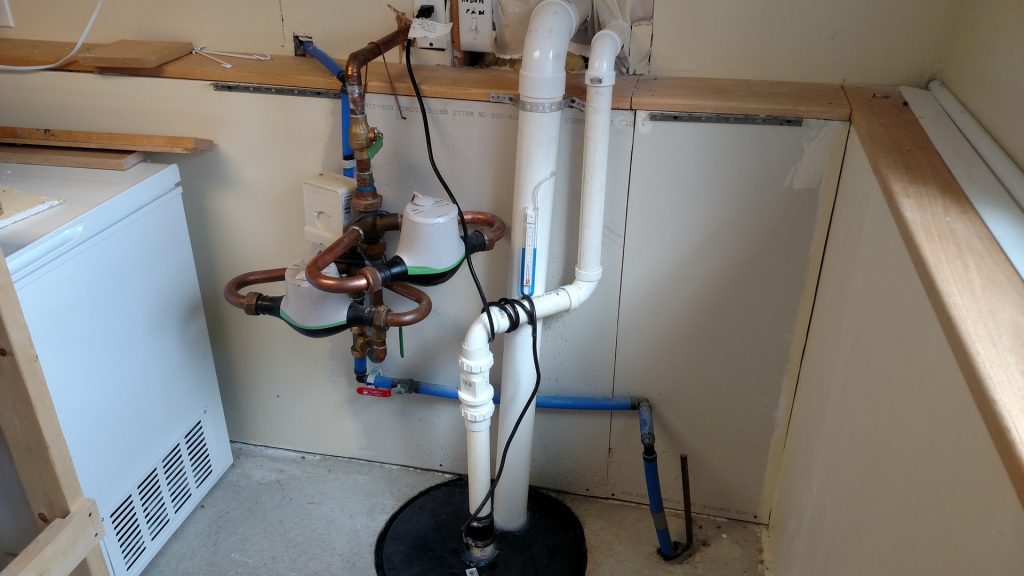
- Sub-slab depressurization: Properly designed systems redirect soil gases away from occupied building areas.
- Foundation sealing: Closing gaps around joints, cracks, and utility openings strengthens protective boundaries.
- Ventilation improvements: Appropriate airflow systems support balanced indoor conditions and consistent air circulation.
- Moisture management: Suitable drainage and moisture-control measures help maintain healthier building conditions.
- Professional assessments: Detailed evaluations help identify suitable protective methods based on individual building requirements.
Strengthening Performance Through Regular Monitoring
Consistent monitoring ensures that vapor management systems continue supporting building safety and environmental quality. Routine assessments also help property managers identify opportunities for improvement.
Consider incorporating these practices into regular maintenance schedules:
- Inspect protective barriers for visible deterioration or damage.
- Evaluate ventilation equipment to maintain consistent performance.
- Monitor indoor environmental conditions through appropriate assessments.
- Examine foundation areas and utility penetrations for possible openings.
- Maintain detailed inspection records for future reference.
- Review system performance whenever building conditions change.
Accessing informative resources can also help property owners understand available protection methods and practical maintenance approaches. For additional information about environmental services and building protection solutions, interested readers can https://actoc.com/utah/ as part of their research.
Creating Healthier Conditions With Long-Term Planning
Strategic vapor management provides a valuable foundation for maintaining healthier and more dependable building environments. Combining preventive planning, suitable materials, effective installation, and regular monitoring supports consistent environmental performance.
These practical measures encourage structural preservation, improve indoor comfort, and promote responsible property management. With continued attention to evolving building requirements and maintenance practices, property owners can strengthen protection efforts while creating comfortable indoor spaces that support occupants and long-term building performance.